
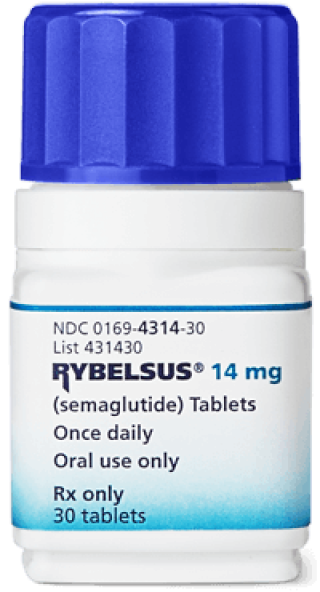
…and that’s when the conversation usually turns to the pill versus the pen. It’s a common debate in clinics lately. People want the metabolic benefits of semaglutide without the weekly needle prick, and that is exactly where Rybelsus enters the picture. It’s a unique beast in the world of GLP-1 medications because it’s the first oral version of this drug class.
For a long time, if you wanted to use semaglutide, you had to commit to the subcutaneous injection. It was the gold standard, but the fear of needles keeps many people on the sidelines. Rybelsus changes that by offering a daily tablet. This shift has changed how patients approach their metabolic health and weight management.
But don’t mistake the ease of a pill for a “magic pill” scenario. Taking a tablet every morning requires a very specific ritual to make sure the medication actually absorbs. If you don’t follow the instructions, taking it on an empty stomach with just a sip of water, you might as well be swallowing expensive candy. The science of oral semaglutide absorption is finicky and demanding.
The medical community is also watching how these products evolve. There is a lot of chatter about whether the current formulation of Rybelsus will be replaced or updated. It is a moving target for both doctors and patients trying to figure out long-term treatment plans.
Understanding the Mechanism and Clinical Use
Rybelsus isn’t primarily marketed as a weight loss drug, though that’s how the public often talks about it. Its official clinical purpose is much more specific. According to the FDA-approved labeling, the medication is indicated as an adjunct to diet and exercise to improve glycemic control in adults with type 2 diabetes mellitus.
The way it works is fascinating. Once it enters the system, it mimics a hormone your body naturally produces. This hormone signals your pancreas to release insulin when blood sugar is high. It also slows down how fast your stomach empties, so you feel full for much longer after a meal.
Because it keeps you satiated, many people find their caloric intake drops naturally. This is why the conversation often drifts toward obesity management. While the drug is FDA-approved for diabetes, the secondary effect on appetite is what most people are actually paying attention to in the current market.
Keep in mind that this is a metabolic regulator, not a dietary supplement. It works by changing the signals your brain and gut receive. Without the “adjunct to diet and exercise” part, the drug’s efficacy is significantly diminished. It’s a tool, not a replacement for a lifestyle change.
There’s a massive gap between what the label says and how the market behaves. People aren’t just looking for glycemic control; they want a way to manage their waistlines. This tension between clinical indication and consumer demand is driving much of the current pharmaceutical pricing and availability issues.
The Price of Convenience and the Insurance Hurdle
Money is the elephant in the room. The cost of semaglutide-based therapies can be staggering if you’re paying out of pocket. It’s a significant barrier for many families struggling with metabolic issues who simply cannot afford the “luxury” of modern pharmacology.
The numbers show that the oral version is quite expensive. For instance, without any insurance coverage or discounts, 30 tablets of Rybelsus 3 mg can cost an average of $1243.23. This makes the daily cost of a pill nearly as high as some of the injectable alternatives, which is a bitter pill to swallow for many.
When you compare the oral to the injectable, the price gap narrows significantly. Rybelsus cost without insurance is a major talking point for patients who find themselves denied coverage by their providers. Many insurance companies are hesitant to cover these medications for weight loss, insisting they only cover them for strict diabetes indications.
To make sense of the finances, it helps to look at typical costs for 30-day supplies:
- Rybelsus 3 mg (30 tablets): ~$1243.23
- Ozempic 1.5 mg (30 units/equivalent cost): ~$1266.00
- Compounded Semaglutide: Varies wildly by pharmacy
Patients often find themselves caught in a loop of checking coverage, looking for coupons, and hoping for a change in policy. It’s a stressful way to manage a chronic condition. The financial burden is a primary driver of how people choose their treatment path.
Navigating Side Effects and the Switch to New Formulations
The biological response to semaglutide is rarely a smooth ride for everyone. Because the drug slows gastric emptying, your digestive system essentially has to learn a new way of operating. This is where the gastrointestinal issues come in. Many users report nausea, particularly during the first few weeks or when increasing the dose.
How does the body typically react? It varies, but common experiences include:
- Nausea and stomach upset
- Reduced appetite (the intended effect)
- Occasional constipation or diarrhea
- A feeling of fullness even after small meals
Medical research, including studies found in PMC – NIH, notes that while injectable semaglutide is highly effective for weight loss, gastrointestinal side effects are a standard part of the experience. The oral version, Rybelsus, aims to provide these same benefits but requires much stricter adherence to the “empty stomach” rule to avoid these issues. If you take it with a full meal, you might increase the chance of nausea without actually improving how the drug is absorbed.
Is the trade-off worth it? That depends on your tolerance and your lifestyle. For some, the idea of a weekly shot is a dealbreaker, making the daily pill a perfect fit despite the side effects. For others, the constant nausea makes the pill an impossible choice.
We are also seeing a shift in the product landscape. There is a lot of discussion about the transition from Rybelsus to what is being called the Ozempic pill. As the current formulation of Rybelsus is phased out or updated, patients are finding themselves in a state of flux. The reformulated versions aim to offer better stability or easier absorption, but any change in medication requires careful supervision from a healthcare provider.
The Realities of Long-Term Weight Management
It’s easy to get swept up in the hype of “miracle drugs,” but the reality of long-term use is more complex. These medications aren’t a quick fix you take for a month and then stop. The biological changes they induce are meant to be ongoing, which means the commitment is long-term. This is a marathon, not a sprint.
When people think about the rybelsus weight loss price, they often forget to factor in the cost of the lifestyle changes that must accompany it. You cannot out-medicate a poor diet indefinitely. The most successful outcomes occur when the medication is used to “reset” hunger cues, allowing a person to finally implement a sustainable, healthy way of eating.
There is also the question of what happens when you stop. If the medication is discontinued, the metabolic signals return to their baseline. This means the weight gain seen after stopping these drugs is a real risk if underlying dietary habits haven’t been addressed. It’s a cycle that requires psychological preparedness.
Doctors are increasingly focused on a “total health” approach. They aren’t just looking at the scale; they are looking at A1C levels, cardiovascular health, and metabolic markers. The goal is a holistic improvement in health, not just a lower number on a scale. If the medication helps you reach that state, it’s a win, but it is only one piece of the puzzle.
The rise of oral semaglutide represents a massive shift in how we treat obesity and type 2 diabetes. It brings more options to the table, but it also brings more complexity in terms of cost, administration, and long-term management. It’s a new era of medicine, and we’re all still learning how to navigate it effectively.
The landscape of metabolic health is changing rapidly. Whether you choose the needle or the pill, the focus must remain on long-term health rather than short-term fixes. Understanding the costs, the side effects, and the clinical realities is the only way to approach this new medical frontier with eyes wide open.