
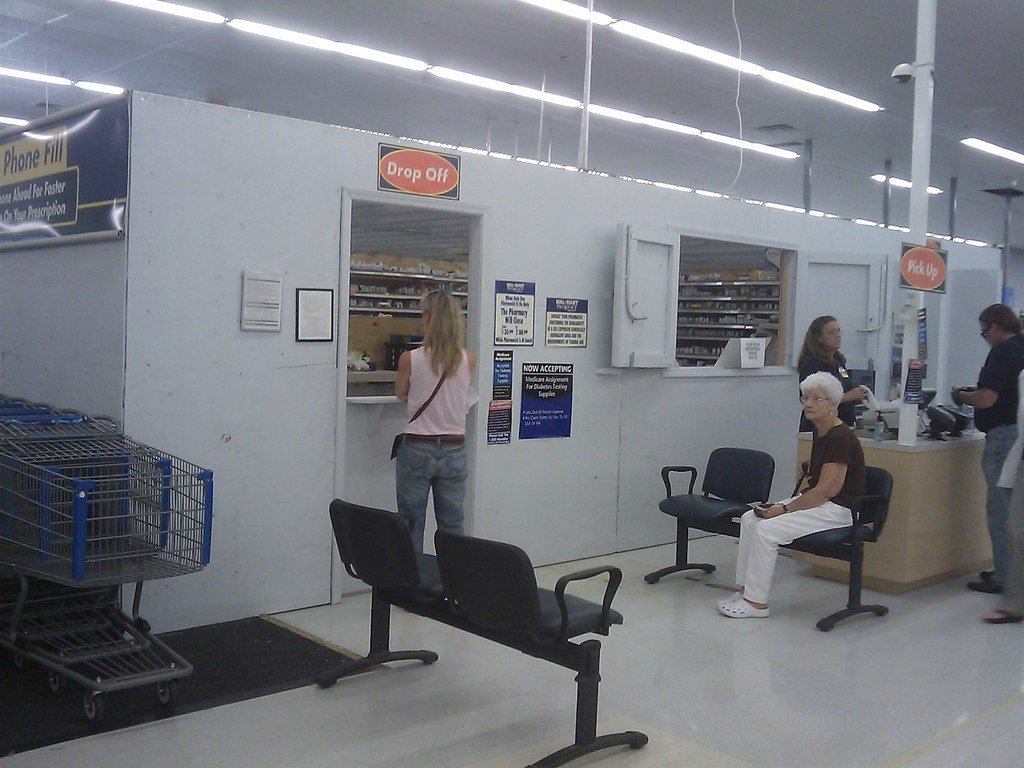
What counts as a health product? Most people just think of an aspirin bottle or a box of bandaids, but it’s actually a lot broader than that, especially if you’re managing a chronic illness or trying to build a proper medical kit for your home.
The local pharmacy isn’t just a place to drop off a prescription anymore. It’s become a specialized shop for everything from basic first aid to high-tech diagnostic gear. If you need a blood pressure machine, a pill organizer, or some basic gauze, you can usually find them at decent prices at local pharmacies or big-box stores like Walmart.
The sheer amount of stuff available can be overwhelming if you don’t know exactly what you’re looking for. You might need a simple thermometer one day and a nebulizer the next. Where you shop usually comes down to your location and whether you need something right this second or if you’d rather have it delivered to your door.
Finding the Right Local Support and Suppliers
If you need something immediately, a pharmacy’s local reputation matters. In Seattle, WA, people often head to highly-rated neighborhood spots. For instance, Bob Johnson’s Pharmacy is a solid option with a 4.8 rating from 37 reviews, offering a more personal experience than the giant chains.
Walgreens is the other side of the coin. With 80 reviews cited in recent local data, it’s a staple for anyone who wants brand familiarity and a massive inventory.
Chicago, IL, has a similar split between community shops and big corporations. New City Halsted Pharmacy, for example, is a top choice in the area with a 4.0 rating from 22 reviews.
Choosing between them is usually a trade-off: you either get the personalized service of a local chemist or the massive stock of a national chain.
The Local vs. Chain Dilemma
Local pharmacies are often better at understanding a neighborhood’s specific needs. They might carry niche brands or let you talk directly to the pharmacist with a quick question. If you need a specific brace or a particular ointment, a local shop might have it sitting on a shelf while a big chain has to order it.
Large chains are better for a “one-stop-shop” trip. You can grab your prescription, some toothpaste, and a box of gauze all at once. It’s efficient, but it can feel a bit impersonal when you’re trying to sort out complex medical supplies.
In dense cities like Chicago, where pharmacies are on almost every corner, the choice is usually about service rather than how far you have to walk.
The Rise of Digital Medical Procurement
Online shopping has changed how we manage health at home. You don’t have to drive across town anymore just to find a specific vial or a certain brand of liquid meds.
Delivery systems are much more efficient now, especially in certain parts of the world. RM Health Supplies has built a system that works well in the Canadian region, letting customers order everything from vials and liquid bottles to medical-grade plastic bags.
This makes it easy to keep your medical supplies stocked so you don’t run out of something essential over a weekend.
The main worry with online shopping is reliability. You want to be sure the products are authentic and were stored at the right temperature while they were in transit. That’s why specialized online retailers are often a better bet than general marketplaces.
If you want speed and certainty, services like Pharmalynk Store can get authentic healthcare products to you quickly. It’s a lot easier than scouring a local aisle for an out-of-stock item. You don’t want to be staring at an empty shelf when you actually need that specific Optica-Med lens cleaner or a specific medical component.
Online Delivery Benefits
- Consistency: You can set up recurring orders for monthly meds or supplies like wipes and bandages.
- Selection: Online catalogs are almost always bigger than what a physical store can keep on hand.
- Cost Comparison: It’s a lot easier to compare prices between three different vendors on your computer than in person.
Understanding Your Medical Inventory
When setting up a home medical station, you need to know what to actually keep on hand. It’s more than just a box of Band-Aids; you need the right tools for different situations.
A good setup should include items for wound care, vitals monitoring, and basic first aid. People often forget that even simple things, like a sturdy pill organizer or a reliable blood pressure machine, are huge for daily health management.
What you need depends on you. If you have a chronic condition, your “must-have” list is going to look very different from someone just packing for a hiking trip.
I once heard about a man who spent three hours at a pharmacy looking for a specific type of medical tape that wouldn’t irritate his skin, only to realize he’d walked past the specialized aisle three times because he was too focused on the main aisles.
Don’t do that. When you go into a pharmacy, take a look at the side aisles. That’s where the specialized equipment usually is.
| Category | Essential Items | Purpose |
|---|---|---|
| Monitoring | Blood pressure cuff, Thermometer, Pulse oximeter | Tracking vitals and detecting early signs of illness. |
| Wound Care | Antiseptic wipes, Sterile gauze, Adhesive bandages, Medical tape | Preventing infection and managing minor injuries. |
| Medication Management | Pill organizers, Pill cutters, Weekly dose planners | Ensuring adherence to prescriptions and preventing missed doses. |
| Sanitization | Hand sanitizer, Alcohol wipes, Gloves | Maintaining a sterile environment for caregiving. |
Navigating Professional Consultations and Prescriptions
There is often a lot of confusion about what a pharmacist can actually do. Most people think they have to see a doctor for every little thing, but the scope of what pharmacists can do has grown.
In many places, pharmacists can prescribe or recommend treatments for certain conditions. It’s a great way to avoid a clinic trip for something minor.
It’s also important to know the difference between a drugstore clerk and a licensed pharmacist. The pharmacist is a healthcare professional, use them.
The Role of the Pharmacist
Pharmacists are experts on drug interactions. If you’re taking a supplement you found online alongside a prescription from your doctor, they are the best people to check if those two things will cause issues in your system.
They can also help with over-the-counter (OTC) meds. If you have a skin rash or a cough that won’t go away, they can often suggest an OTC option before you decide to book a full doctor’s appointment.
They also handle the logistics for specialized gear. If you’ve been told you need a nebulizer or a CPAP machine, they can help you navigate insurance or suggest models that fit your life.
Your pharmacy is a tool for managing your life. Use it and don’t be afraid to ask the hard questions.
Quick answers
What is the definition of pharmacy in pharmacology?
Pharmacy is the science and practice of preparing, dispensing, and reviewing medications to ensure safe and effective drug use.
What are some common health-related products?
Health-related products include over-the-counter medicines, vitamins, supplements, first-aid supplies, and personal hygiene items.
What are the 7 things pharmacists can prescribe for?
Pharmacists can often prescribe for minor ailments such as urinary tract infections, skin infections, allergies, eye infections, earaches, sore throats, and common colds.
What equipment is needed in a pharmacy?
Essential equipment includes counting trays, pill grinders, graduated cylinders, digital scales, and temperature-controlled refrigerators.
How can I ensure my medication is authentic?
Always purchase medications from licensed pharmacies and check for official seals and intact packaging to ensure product integrity.