
40,000 price updates flow into the databases of modern comparison tools every single day. That is a staggering amount of data for a market that most casual users think is just a collection of colorful plastic sticks and flavored liquids. We see it constantly. People spend twenty minutes researching the perfect device only to realize they paid a fifty percent markup because they didn’t check a third-party aggregator.
The industry has moved far beyond the era of simple local shops. Today, you are dealing with global supply chains, niche specialty brands, and massive wholesale distributors all competing for the same pocket change. It is easy to get lost in the noise of promotional emails and “limited time” banners that aren’t actually limited.
If you are hunting for a specific dry herb vaporizer, the search space is massive. You might find a decent deal on a site that specializes in e-liquids, but that same site might have nothing to do with high-end convection heaters. Finding the intersection of the right hardware and the right price requires more than a quick Google search; it requires a systematic approach to data.
The Math of Modern Vaping Logistics
Price discrepancies in this market are rarely accidental. They are often the result of different business models. Some companies act as massive retailers with huge inventories, while others are boutique shops that focus on high-end enthusiast gear.
You might find that a shop like ECigMafia focuses heavily on disposables and e-liquids, aiming for high volume and low margins to keep their prices competitive. They aren’t trying to sell you a $400 medical-grade vaporizer; they want to be the go-to for your daily juice and quick fixes. This volume-based approach keeps their prices low, but it doesn’t help if you are looking for a specific piece of hardware.
On the other end of the spectrum, you have the collectors and the connoisseurs. If you are looking for a specific brand of dry herb vaporizer, you are likely looking at a much higher price point. This is where specialized comparison tools become necessary. Since 2016, services like Vapospy have been trying to bridge that gap for people who want to save money on more expensive, specialized gear.
| Store Type | Primary Focus | Pricing Strategy |
|---|---|---|
| Mass Market Retailers | Disposables, E-liquids, Kits | High volume, low margin |
| Specialty Hardware Shops | Dry Herb Vaporizers, High-end Kits | Niche expertise, premium pricing |
| Wholesale/Bulk Sites | Supplies in large quantities | Lowest unit price, high minimums |
The logistics of shipping also play a massive role. A shop might show a lower price on their landing page, but once you add shipping to a different state or a different country, that “deal” evaporates. (It is a frustrating dance we all have performed at least once). You have to look at the total landed cost, not just the number on the screen.
The Data Deluge in Vaporizer Comparison
Comparing prices manually is a fool’s errand. The sheer scale of the market makes it impossible for a human to track every fluctuation. You could spend your entire weekend refreshing tabs and still miss a flash sale.
Current technology has actually made this somewhat manageable. Some tools are now tracking over 970 vaporizers from 210+ brands across 320+ shops. When you realize that data is being pulled from 50 different countries, you start to understand why the “best price” is a moving target.
Using a dedicated aggregator is often more efficient than browsing individual stores. These tools pull in data from dozens of different retailers, allowing you to see if the price you see on a boutique site is actually a deal or just the standard market rate. It removes the “FOMO” (fear of missing out) that many stores rely on to drive impulse buys.
If you are serious about finding the lowest price on a specific device, VapoSearch.com is a useful tool to have in your bookmarks. It helps cut through the marketing fluff and gets straight to the numbers. Why spend three hours clicking through tabs when a single search can give you the same answer?
Where to Look for Hardware and Juice
Hardware and e-liquids are two different animals in terms of shopping. You can’t really use the same strategy for both.
- Hardware: Focus on brands and reliability. A cheap vape kit that breaks in two weeks is more expensive than a premium kit that lasts two years.
- E-liquids: Focus on volume and freshness. Look for retailers that offer wholesale price match rewards or bulk discounts.
- Disposables: These are highly price-sensitive. Since they are “use and toss,” the lowest unit price per puff is your primary metric.
If you are looking for hardware, some users on Reddit suggest that Elementvape is a solid choice for equipment. However, others suggest keeping an eye on Eightvape or Vapordna by subscribing to their email lists. The goal there isn’t necessarily to find the absolute lowest price every time, but to catch the specific sales that happen once a quarter.
The Trap of the “Cheap” Option
What is the cheapest vape on the market? The answer depends on whether you mean the cheapest initial purchase or the cheapest cost per use. This is a distinction that many new users miss.
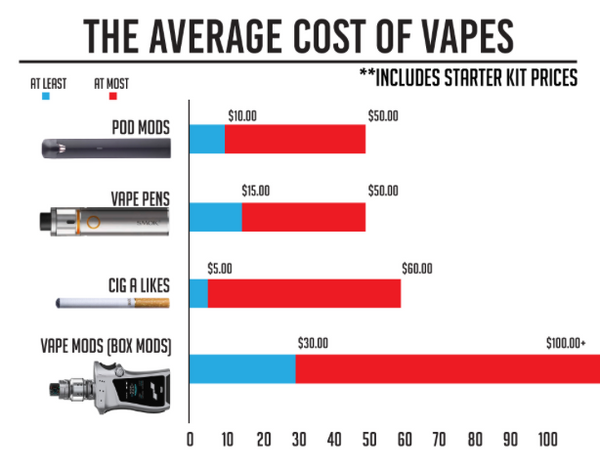
A $15 disposable might seem like a steal. You walk in, you buy it, and you’re done. But if you are a heavy user, you might find yourself buying ten of those a month. Meanwhile, a $60 pod kit might seem expensive upfront, but the cost of the liquid refills is a fraction of the cost of those disposables.
We often see people get caught in the “gas station” trap. Is it cheaper at a vape shop or a gas station? Usually, the gas station is the most expensive way to buy anything related to vaping. You are paying for convenience and real estate, not for the product itself.
It is easy to get seduced by “cheap” prices that are actually just reflections of poor build quality. If a device has a battery that fails after three weeks, you haven’t saved money; you’ve just wasted it. We recommend checking reviews for longevity before you chase a low price tag.
Navigating the Global Marketplace
The digital nature of this industry means you are competing with international shipping rates and customs duties. A shop based in the US might look like a steal, but if you are in the UK or Canada, the import fees might double your total.
This is where localized shopping becomes vital. For example, ProVape is noted for being a reliable US-based option for those who need authentic hardware without the headache of international shipping complications. They focus on authentic gear, which is a major concern in a market flooded with clones.
- Authenticity: Always verify that the shop is an authorized dealer. “Cheap” prices can sometimes be a red flag for counterfeit products.
- Shipping Times: A low price is useless if the item takes three weeks to arrive and you need it today.
- Return Policies: Hardware can be temperamental. Ensure the shop has a clear policy for defective units.
Price comparison services are great, but they aren’t perfect. They can tell you what a shop is charging, but they can’t always tell you if that shop has a reputation for shipping broken items. You still need to do a bit of legwork.
Checking forums and community discussions is still a valid way to vet a store. Even with all the data in the world, human experience is hard to quantify. A price might look great on a comparison site, but if everyone in a community is complaining about customer service, that low price is a trap.
The best way to shop is to use the data to find the price, and use the community to find the trust.
Don’t let a shiny discount button blind you to the actual value of the gear.
Common questions
What's the cheapest vape on the market?
The most cost-effective options are typically disposable vapes or basic refillable pod systems, which offer the lowest entry price for consumers.
Are vapes cheaper at a vape shop or gas station?
Vape shops generally offer better value through bulk discounts and specialized hardware, whereas gas stations tend to have higher markups on convenience items.
Is 20 puffs of vape a day a lot?
While frequency varies by device, consistent daily use contributes to nicotine dependency and long-term health risks regardless of puff count.
Can lungs heal after 7 years of vaping?
While lung function can improve after quitting, long-term damage from years of vaping may be permanent, making cessation the most critical step for recovery.
How can I find the best deals on vaping products?
Using a price comparison service allows you to track market trends and identify which retailers offer the lowest prices on e-liquids and hardware.