
Understanding the psychology behind gambling behavior in casinos
The Allure of Gambling: Why People are Drawn to Casinos
The excitement and thrill associated with gambling in casinos can be attributed to a complex interplay of psychological factors. Many individuals are drawn to the prospect of winning money, but it’s often the environment itself that heightens their desire to participate. The sounds of coins clinking, flashing lights, and the vibrant atmosphere create a sensory experience that can be addictive. This sensory overload stimulates the brain’s reward system, triggering the release of dopamine, a neurotransmitter linked to pleasure and reward. Such experiences can create a cycle of craving, where individuals return to the casino seeking the same high. Engaging in activities like ice fishing malaysia offers a similarly thrilling experience that captivates players.

Moreover, the design of casinos plays a crucial role in influencing gambling behavior. Casinos are intentionally constructed to be maze-like, disorienting visitors and making it easy to lose track of time. This architecture compels patrons to stay longer, increasing the likelihood of continued gambling. Coupled with the absence of clocks and windows, these design elements create an illusion of a timeless space, allowing individuals to escape reality and immerse themselves in the gambling experience. This psychological manipulation is a key strategy employed by casinos to maximize player engagement.
Social factors also contribute significantly to the allure of gambling. Many people enjoy the communal aspects of casinos, where they can engage with others, share their experiences, and celebrate wins together. This social interaction fosters a sense of belonging, making the gambling experience more enjoyable. Additionally, the presence of friendly staff and fellow gamblers can create a warm atmosphere that encourages players to remain engaged. The social reinforcement of winning, whether through shared excitement or competition, can lead to increased gambling behavior, as individuals seek to replicate these positive interactions.
The Role of Cognitive Biases in Gambling
Cognitive biases play a significant role in shaping gambling behavior, often leading individuals to make irrational decisions. One common bias is the illusion of control, where gamblers believe they can influence the outcome of games based on their skill or intuition, despite the fact that most casino games are based on chance. This belief can lead individuals to place larger bets or play longer than they initially intended, driven by the false notion that they can beat the odds.
Another prevalent cognitive bias is the gambler’s fallacy, which is the erroneous belief that past events influence future outcomes. For instance, a player might think that after a series of losses, a win is due, prompting them to continue gambling in the hope of reversing their fortune. This fallacy can create a cycle of chasing losses, leading to increased spending and a greater risk of developing problematic gambling behavior. Understanding these biases is crucial for developing strategies to mitigate their effects and promote responsible gambling.
Lastly, the concept of near misses further complicates gambling psychology. A near miss occurs when a player almost wins, such as getting two out of three matching symbols on a slot machine. These near misses can provide an emotional charge that encourages players to keep gambling, as they feel they are “close” to winning. The psychological impact of these near misses can create a reinforcement loop, where players perceive their chances as better than they are, leading to continued engagement with the game and increased wagering.
The Impact of Emotional States on Gambling Behavior
Emotional states play a pivotal role in influencing gambling behavior. Many individuals turn to casinos as a means of coping with stress, anxiety, or depression. The act of gambling can provide a temporary escape from everyday pressures, allowing players to immerse themselves in an environment where their worries seem to fade away. This emotional relief can lead to increased gambling, as individuals seek to recreate those feelings of euphoria, even if only temporarily.
The highs and lows associated with gambling can also lead to a rollercoaster of emotions, contributing to a potentially addictive cycle. Winning can evoke feelings of elation and excitement, while losses may lead to disappointment or anger. This emotional volatility can drive players to continue gambling in the hopes of recapturing that initial joy. Furthermore, the relationship between emotions and gambling is often complicated; for example, some individuals may gamble more when they are feeling low, using it as a form of emotional regulation.
Moreover, the influence of peer emotions cannot be overlooked. In a casino setting, players often observe the reactions of those around them, which can impact their own emotional responses. If a nearby player wins big, it may trigger a desire to try their luck, in the hopes of experiencing similar success. Conversely, if they witness others losing, it can instill a sense of caution. This social-emotional dynamic highlights the interconnectedness of gambling behaviors and emotional states, further demonstrating the complexity of gambling psychology.
Responsible Gambling: Recognizing the Signs of Problematic Behavior
As the allure of gambling grows, understanding the signs of problematic behavior becomes essential. Individuals may become so engrossed in gambling that it disrupts their daily lives, leading to financial issues, strained relationships, or emotional distress. Recognizing these signs early can prevent the escalation of gambling-related problems. For instance, if someone frequently prioritizes gambling over responsibilities or begins to hide their gambling habits from family and friends, it may indicate a developing issue.
Another critical aspect of responsible gambling involves understanding one’s limits. Setting clear boundaries regarding time and money spent in casinos can help mitigate the risks associated with gambling. Players should establish a budget before entering a casino and adhere to it strictly. Additionally, taking regular breaks during gambling sessions can help maintain perspective and reduce the likelihood of impulsive behavior. Creating a healthy balance between entertainment and responsible practices is key to enjoying gambling without the negative consequences.
Education and awareness surrounding gambling behaviors are also vital in promoting responsible practices. Casinos can play a significant role by providing resources and information on responsible gambling. Awareness campaigns, self-exclusion programs, and access to support services can empower players to make informed decisions about their gambling activities. By fostering an environment that prioritizes responsible gaming, casinos can contribute to reducing the incidence of problematic gambling and promote healthier habits among their patrons.
Exploring Future Trends in Casino Psychology
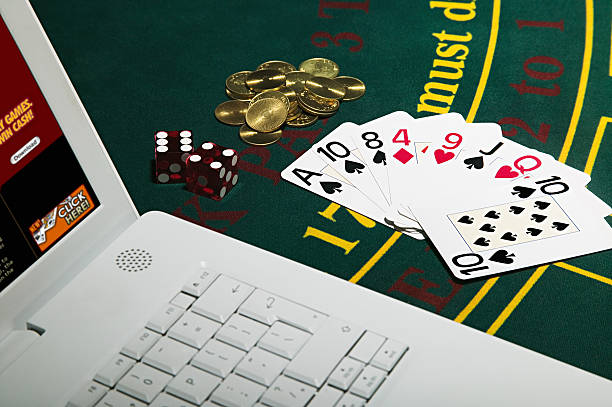
As the landscape of gambling continues to evolve, understanding the psychological factors at play will become increasingly vital. Future trends may see the integration of technology into casinos, with advancements in virtual reality and artificial intelligence shaping the gaming experience. These innovations could enhance the sensory elements of gambling, making the experience even more immersive and potentially addictive. This evolution will necessitate a reevaluation of gambling psychology as new methods emerge to engage players.
Furthermore, there may be a growing emphasis on mental health within the gambling sector. As awareness of the psychological impacts of gambling increases, casinos may implement more comprehensive programs aimed at supporting player well-being. This could include partnerships with mental health organizations, providing resources for individuals struggling with gambling addiction, and creating a culture of accountability among players and operators alike.
Ultimately, the future of casinos will likely involve a balancing act between innovation and responsibility. As technology advances, the importance of understanding gambling behavior and its psychological underpinnings will be paramount. By prioritizing responsible practices and promoting awareness, the industry can evolve in a way that benefits both players and operators, ensuring a sustainable and enjoyable gambling environment for all.